



Článek
Today, August 15, marks five years since the Taliban recaptured Kabul and returned to power in Afghanistan. The country was transformed overnight. The measures imposed by the authoritarian rulers from the hardline islamist movement have hit Afghan women and girls particularly hard. What does their life look like today?
Taliban fighters met almost no resistance in August 2021, after the U.S. and other Western forces withdrew following 20 years of war and permanent military presence of foreign troops that were propping up the internationally recognized government.
The ease with which the hardline islamists took over the state as the Afghan army soldiers laid down their weapons and dispersed came as a surprise even to the seasoned Afghanistan-watchers. Amie Ferris-Rotman, a British-American journalist who has been covering developments in Afghanistan for many years, was one of them.
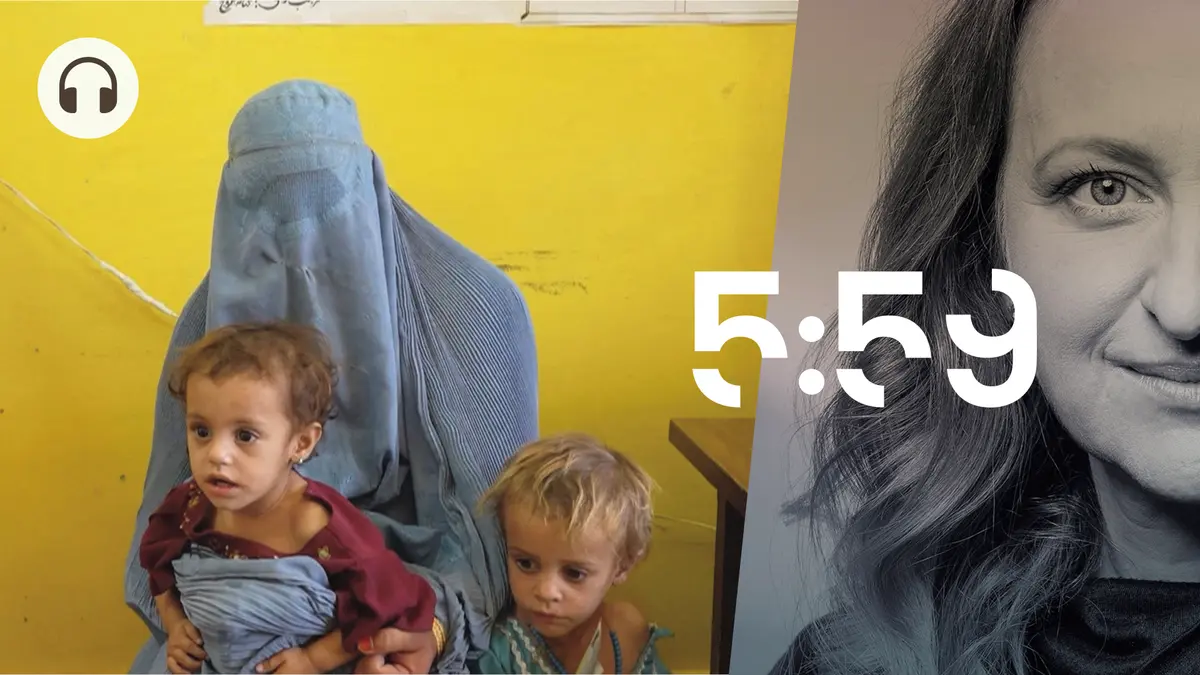
„When I look back at those days, I just remember chaos. Chaos and disbelief. That sums it up. The Taliban literally walked into Kabul (…) and it ended America's longest-ever war without a single shot fired, which is incredible,“ says Ferris-Rotman, once again going through the shock of the events that transpired five years ago, in 5:59 podcast.
Listen to the full interview with Amie Ferris-Rotman:
Rozhovor ve verzi s českým dabingem si můžete poslechnout zde.
The evacuation of American troops, their allies and their local interpreters and other key mission-supporting staff was followed by exodus of countless other Afghans who knew their life under Taliban would be precarious, to say the least. For example women journalists like Zahra Joya, who shares her experience in the newly published book The Vanishing Girl of Kabul that Ferris-Rotman collaborated on.
Born in the 1990s under the first Taliban rule, driven by an urge to get educated and then by a passion for journalism that doesn't treat stories about women as a second-rate material much like many of her colleagues in the male-dominated newsrooms tended to, Zahra Joya eventually set up her own media company, Rukhshana Media, a year before Kabul fell. And she still runs it from London where she now resides.

Zahra Joya and Amie Ferris-Rotman (right) during the launch of their book in London.
„Her life very much reflects the trajectory of her country,“ says Amie Ferris-Rotman, herself a Londoner who is not allowed to go back to Afghanistan because of her reporting and the work on the book.
„Since Taliban's return to power five years ago, they've introduced 400 edicts. And 80 of them are directly about women and girls. That's at least one new edict curbing the freedoms of women and girls for every month they've been in power,“ the journalist and founder of Sahar Speaks, an award-winning program offering training and publishing opportunities for Afghan female journalists, points out.
The new rules introduced by Taliban in Afghanistan have been summarily described as gender apartheid by various human rights groups and organizations. While the Afghan women that Rukshana Media reporters regularly speak to describe the new setup as „an open-air prison“.
„That's how they feel. They are completely imprisoned within their own lives,“ bemoans Amie Ferris-Rotman, adding that „Taliban has weaponized misogyny and made it their policy“. Despite her noticing similar disturbing signs even in some countries of the West, she strives to see glimmer of hope where others might only find gloom, much like her friend, fellow journalist and author Zahra Joya.
I think the more people talk about it, the more people share women's stories, the more the world will continue to be outraged, and this will change. It has to change. It changed once before.
If you want to hear more details about the various bans and limits introduced by Taliban on the life of women and girls in Afghanistan or how Zahra Joya pretended to be a boy so that she could get education, listen to the full 5:59 podcast in the audio player above.
Editor: Pavel Vondra
Sound design: Ursula Sereghy
Music: Martin Hůla
Podcast 5:59
Zpravodajský podcast Seznam Zpráv. Jedno zásadní téma každý všední den za minutu šest. To nejdůležitější dění v Česku, ve světě, politice, ekonomice, sportu i kultuře optikou Seznam Zpráv.
Poslouchejte na Podcasty.cz, Spotify, Apple Podcasts a dalších podcastových aplikacích. Sledujte nás na X, Instagramu, Threads nebo Bluesky.
Archiv všech dílů najdete na našich stránkách. Své postřehy, připomínky nebo tipy nám pište prostřednictvím sociálních sítí nebo na e-mail: zaminutusest@sz.cz.

5:59Foto: Seznam Zprávy