



Článek
The era of Viktor Orbán’s rule in Hungary is definitively coming to an end. His successor, Péter Magyar, intends to take the prime ministerial oath this weekend. What will now happen to the system that Orbán and his close circle built, and which critics say has been tied to widespread corruption and abuse of power?
After 16 years, Hungarian Prime Minister Viktor Orbán suffered a crushing defeat in the April parliamentary elections. His victorious challenger - Tisza party leader Péter Magyar - is promising „a complete change of regime“ aimed at purging Hungary of corruption and oligarchic influence.
Magyar is set to be sworn into office as prime minister at the inaugural session of parliament on Saturday, May 9. Orbán, meanwhile, has announced that he does not intend to take up his new parliamentary mandate and has repeatedly pushed back against speculation that he plans to leave Hungary.
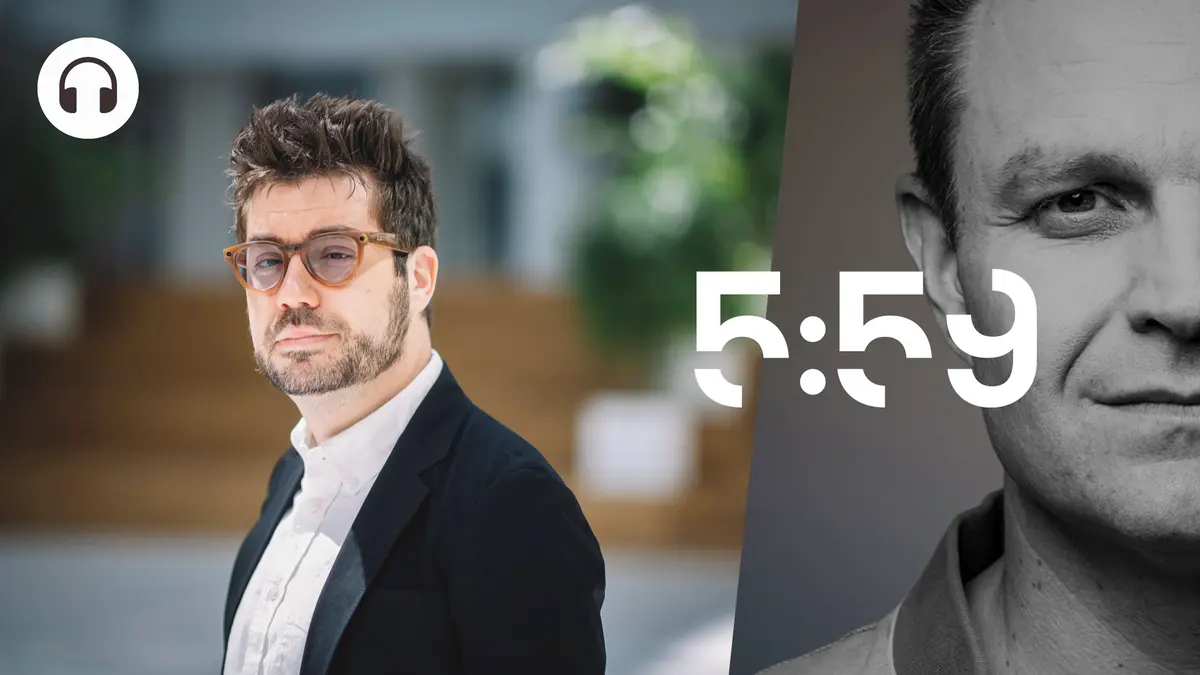
But the issue is not only the outgoing prime minister himself. Attention is also turning to the actions of members of his political and business circles. „The oligarchs are now trying to wire their money abroad to the United States, to Switzerland, but mostly to the Middle East. Some people are already trying to escape justice, going to, for example, the United Arab Emirates,“ says Hungarian investigative journalist Szabolcs Panyi from the Central Europe-focused outlet VSquare in an interview for the 5:59 news podcast.
Listen to the full interview with Szabolcs Panyi in English:
Rozhovor ve verzi s českým dabingem si můžete poslechnout zde.
Panyi also led the international journalistic consortium that published recordings of phone calls between Hungarian Foreign Minister Péter Szijjártó and Russian Foreign Minister Sergey Lavrov. The recordings captured Szijjártó sharing confidential information from EU Council negotiations and coordinating with Moscow on blocking EU sanctions.
Three weeks before the April elections, Orbán’s government accused Panyi of spying on behalf of Ukraine. „It was really like crossing a red line. Accusing a journalist - criminally - of being a foreign spy, that’s Vladimir Putin’s Russia, that’s Lukashenko’s Belarus, that’s not something that a European Union country does. So it was surprising that they go to this extreme. But to me it was obvious from day one that this is a sign of panic,“ the investigative reporter notes.
Following Orbán’s crushing electoral defeat, the police dropped the case.
How might compromising material from Viktor Orbán’s youth have contributed to his loyalty toward Moscow? And why, according to Szabolcs Panyi, did Russian intelligence services abandon some of their plans to help Orbán win the election? Find out by listening to the full 5:59 podcast in the audio player above.
Sound design: David Kaiser
Hudba: Martin Hůla
Podcast 5:59
Zpravodajský podcast Seznam Zpráv. Jedno zásadní téma každý všední den za minutu šest. To nejdůležitější dění v Česku, ve světě, politice, ekonomice, sportu i kultuře optikou Seznam Zpráv.
Poslouchejte na Podcasty.cz, Spotify, Apple Podcasts a dalších podcastových aplikacích. Sledujte nás na X, Instagramu, Threads nebo Bluesky.
Archiv všech dílů najdete na našich stránkách. Své postřehy, připomínky nebo tipy nám pište prostřednictvím sociálních sítí nebo na e-mail: zaminutusest@sz.cz.